If you have never watched a windshield crack spider across the glass while you’re still in the driver’s seat, count yourself lucky. The rest of us in Asheville have at least one story involving a dump truck on I‑26, a sudden hail burst in South Slope, or a raccoon with poor life choices on Merrimon. When your view of the Blue Ridge turns into a prism, time matters. Not just for convenience, but for safety, insurance, and the electronics tucked behind that glass that your car quietly relies on every day.
This is a field where experience shows, and in 28810, emergency auto glass isn’t just a niche service; it is a lifeline. I have taken calls from delivery drivers stranded behind the Biltmore Village detour, parents waiting at a soccer field with a shattered side window, and contractors on Amboy Road with glass pebbles spread across the dashboard like winter salt. Those first 60 minutes often decide whether you can keep the day on track or cancel everything.
Why emergency auto glass isn’t optional
A cracked windshield seems like it can wait, right up until you hit a pothole near River Arts District and the crack doubles. The structural role of glass in modern vehicles gets underestimated. On many models, the windshield contributes 20 to 30 percent of a car’s roof crush strength. During an airbag deployment, the bag uses the windshield as a backstop. If the bond fails, that bag can misdirect. If you drive with a bad bond or a long crack, you aren’t just risking a ticket. You are betting on physics in a crash.
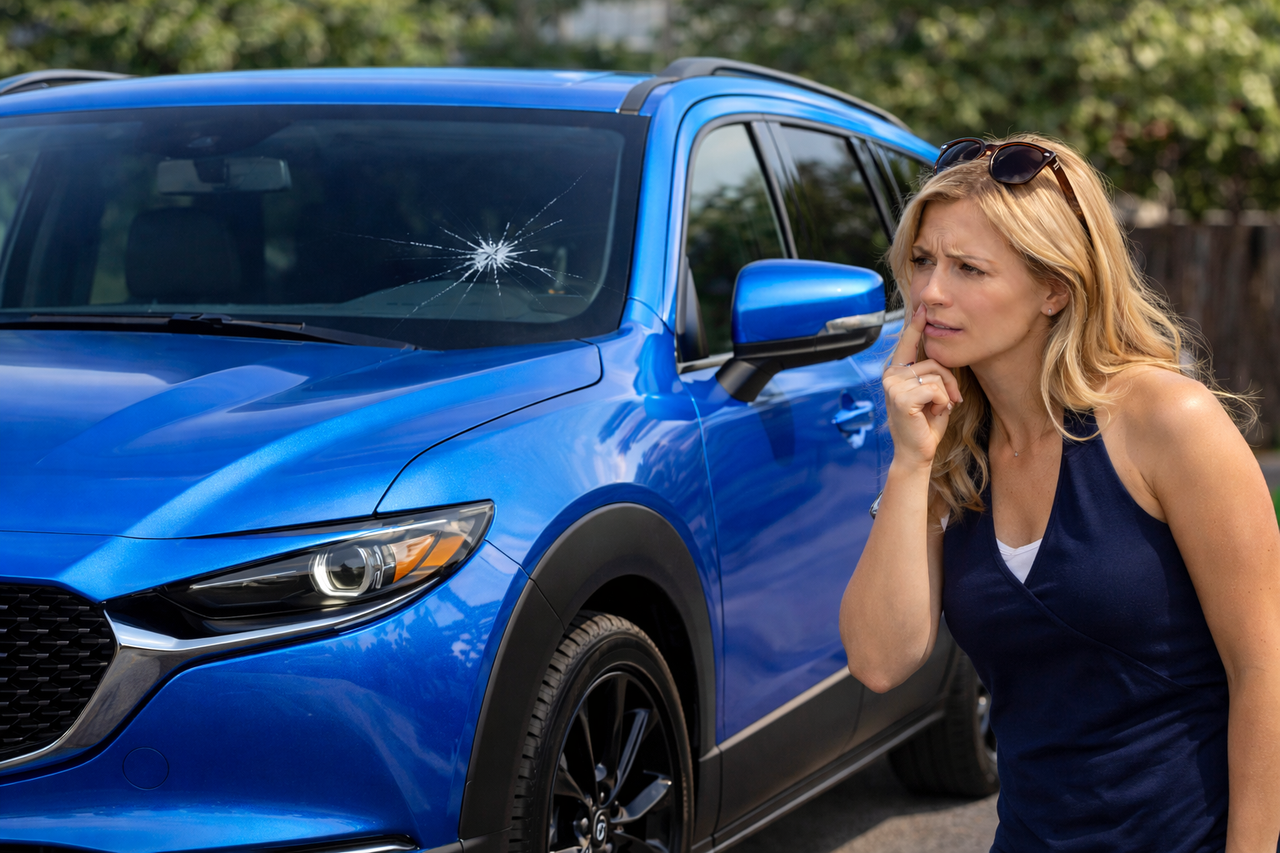
And there is the matter of visibility. Asheville roads swing from shaded parkways to glaring, sun‑washed arterials. A long crack refracts light. A chip at eye level becomes a starburst every time the morning sun hits Tunnel Road just right. Put that together with rain and a film of road grit, and you have a recipe for fatigue and slow reaction time. Emergency auto glass service exists because waiting a week is not a plan.
What “emergency” truly means in 28810
In practice, emergency auto glass in Asheville 28810 means same‑day response, mobile service, and technicians who show up with the exact urethane, primers, and moldings your vehicle needs. It also means they can triage: is it safe to drive a few miles, or should you park and let them come to you? These calls last five minutes on the phone but make all the difference.
If your windshield is compromised around the driver’s primary field of view, any reliable shop will advise against driving. If a side window or back glass is blown out after a break‑in near North Market Street, emergency techs install a replacement or, if glass needs to be ordered, a secure temporary barrier that keeps water out and deters opportunists. Good crews carry OEM‑spec urethane that cures to safe‑drive strength in about 30 to 60 minutes in typical Asheville humidity, and they actually check ambient temperature before applying it. I have seen the difference that attention makes during those sticky July afternoons when a cheaper adhesive refuses to set.
While we’re talking coverage across town: whether you are downtown in 28801 for asheville auto glass repair, up in 28804 near Beaver Lake for rock chip repair, over in 28805 off Swannanoa River Road for mobile windshield replacement, or heading west into 28806 for a cracked windshield rescue, 28810 emergency auto glass dispatchers route techs who can cross these zip codes without losing an hour to traffic snags. The same crews regularly field calls from 28802, 28803, 28813, 28814, 28815, and 28816, so you’re not stuck explaining where your building’s loading dock sits relative to the French Broad. They probably fixed a sprinter van there last week.
When a repair is smarter than a replacement
People ask whether a chip can be saved. Often, yes. A clear answer depends on size, location, and contamination. A small rock chip, roughly the size of a dime, caught within a day or two, usually responds beautifully to resin injection. If the break is a classic bull’s‑eye or star with short legs, repair is a strong option. If you waited through two rain storms and some driveway dust worked its way inside, the final result may still be safe, just more visible. Experienced techs have a nose for this. I have watched them decline a marginal repair rather than leave a customer with a lens‑flare halo forever. That honesty earns more trust than a quick buck.
Where the chip sits is as important as what it looks like. If it sits right in front of the driver, repair might technically be allowed, but a high‑quality replacement can be the better choice if you spend hours on I‑40 and care about eye strain. Edge cracks that reach the frit band, the dotted area near the black border, tend to spread under mild body flex. You can gamble, or you can replace. Asheville’s hills give you the verdict either way.
Across 28801 to 28806, mobile windshield chip repair keeps fleets and commuters rolling without a shop visit. It is not a luxury. It is physics and timing working in your favor.
The ADAS reality: cameras, sensors, and calibration
Here is the part of emergency service that people do not see coming. The windshield is more than glass. Many late‑model vehicles have forward‑facing cameras, rain sensors, lane‑keep assist, adaptive cruise, and heads‑up projectors either on or immediately behind the windshield. The moment you remove the glass, you alter the camera’s position by millimeters. That sounds small until you remember the camera interprets lane width at highway speed.
Which is why ADAS calibration in Asheville matters after many replacements. Static calibration uses targets and patterns, set up in a controlled space with precise measurements, to teach the camera where “center” is again. Dynamic calibration requires road driving at specific speeds on well‑marked pavement while the system relearns. Some vehicles need both. If you ever see a shop wave this off as optional, thank them for their time and call someone else. A lane departure warning that chirps two feet late is not a friend on the Blue Ridge Parkway’s narrow shoulders.
Reputable crews in 28810 bring or coordinate windshield calibration for the 28801 to 28816 range, and they know the quirks. Certain Subaru systems prefer dynamic calibration on roads with clear paint lines, which means evening timing when traffic lightens. Some Toyota models demand a very specific target height measured from the floor, not the ceiling. The techs doing this daily have the measuring lasers and the patience. That matters more than any marketing promise.
OEM glass, aftermarket glass, and the truth in the middle
You will hear passionate opinions about OEM versus aftermarket glass. The truth has nuance. OEM glass comes from the car’s original supplier and carries the automaker’s logo. Aftermarket glass comes from third‑party manufacturers that produce to a spec. The right answer depends on the vehicle and the feature set behind the glass. On a luxury model with a heated wiper park area, acoustic interlayers, infrared coatings, a rain sensor, and a HUD, OEM often lines up more cleanly the first time. Tolerances and coatings matter there. On a common pickup or compact without advanced features, a high‑quality aftermarket windshield from a reputable maker performs very well, sometimes with better availability and price. The key is knowing not just the car model, but the build sheet.
I have seen two vehicles in the same year and trim require different brackets at the mirror because of a mid‑year camera change. Experienced Asheville auto glass technicians carry adapter kits and double‑check part numbers against your VIN before they leave the warehouse. They also know when to insist on OEM because the aftermarket part that “should fit” doesn’t play nicely with a specific camera’s focal length. It is a judgment call that saves you a second appointment and protects the calibration.
How mobile service saves your day
Mobile auto glass service is more than a van with a vacuum. A solid crew shows up on time, evaluates the site, and stages the job so your driveway does not become a glitter field. They protect the paint, trim, and dash, remove the glass without bending the pinch‑weld, prep with a proper glass cleaner that leaves no residue, then prime with the correct chemistry for the urethane they are using. They set the glass with guided suction cups, seat the molding, and give you a realistic safe‑drive time with the weather in mind. If it is 45 degrees and damp in 28804, that time will differ from a sunny 78 in 28803.
When the job is a side window or back glass replacement after a break‑in in 28801, the same crew handles the mess. Vacuuming glass slivers out of a door cavity is slow, and the smart ones use borescopes or magnets where appropriate. They check window tracks, replace the vapor barrier if it was cut, and test the regulator. You want the glass to roll up smoothly the first time. A hurried job that leaves glass crumbs in the channel will etch the new pane on its first cycle.
Across 28802 to 28806, the best teams can also pivot to a quick windshield crack repair if they spot a secondary chip during a vehicle glass replacement. A small fix on the spot prevents a second call next week.
Insurance: the practical playbook
If you carry comprehensive coverage, glass repair and replacement may be covered. In North Carolina, I see deductibles anywhere from zero to a few hundred dollars, depending on the policy. A smart emergency auto glass company will help file the claim while the tech is on the way, confirm whether windshield chip repair can be billed without hitting your deductible, and tell you straight if paying out of pocket makes more sense. On a small chip in 28810, the repair cost is often less than the deductible, and you avoid any paperwork drama. On a full windshield with ADAS calibration, insurance can be the obvious path. Clarity beats surprises.
Be ready with the policy number, the VIN, and a short description of what happened: rock strike on I‑26 near Brevard Road, break‑in on Haywood Street, a sudden crack that grew overnight on a cold morning. Dates matter, and so does location, especially for claims that pair with police reports after a break‑in. No need for a saga. Facts and a time stamp move things quickly.
Safe drive‑away time and why it is sacred
The adhesive bond that holds your windshield in place cures over time. The industry phrase safe drive‑away time, or SDAT, describes when that bond can handle the forces from a turn, bump, or airbag deployment. It is not a marketing flourish. It is chemistry. Most premium urethanes, used correctly with primer compatibility, reach SDAT in roughly 30 to 60 minutes under average Asheville warmth. Colder days stretch that window. A tech who tells you to wait an hour and a half when the thermometer reads 42 is not being fussy. They are keeping your roof structure intact if fate picks that exact afternoon for the worst left turn of your month.
For side and back glass, SDAT is about the mounting method. A bonded fixed window also needs cure time. A drop‑in door glass can roll down immediately once reassembled, but the crew will still test and lubricate the channels so you do not score the edges.
The rhythm of Asheville and real response times
Mountain traffic has its own personality. Mornings start quiet, then swell, and tourists add a layer of unpredictability. The better emergency teams plan around this. During leaf season, a call from 28804 near Elk Mountain requires a different route than in February. On Friday evenings, a downtown 28801 dispatch pairs two techs so one can hunt for legal parking while the other starts prep. These details mean you get a realistic arrival time, not an empty promise.
Over a year, my notes put average response time for emergency calls within 28810 at about 60 to 120 minutes, faster if you are nearer the main corridors and the needed glass is on a nearby truck. Off‑beat parts, such as an acoustic laminated backlight with an embedded antenna for a less common SUV, may take a few hours to source from 28805 or 28806 warehouses. This is where temporary protection matters, and where smart scheduling gets you a same‑day install or a first‑thing‑tomorrow slot that actually sticks.
Fleet managers, contractors, and the cost of downtime
For fleets running delivery vans from 28803 into 28816, broken glass turns into missed stops and overtime math. The quick win is rock chip repair on the lot before cracks grow. Ten minutes per van at dawn, once or twice a month, costs far less than replacing five windshields at once. For broken side glass on a work truck, a strong mobile team in 28810 can swap the pane and sweep the cab before lunch, which means your crew hits the job site instead of Home Depot for plastic sheeting and duct tape. That matters during crunch weeks when deadlines and weather squeeze at the same time.
I have seen shops in Asheville build service loops that include 28801, 28802, 28805, and 28806 every weekday, with add‑on trips to 28804 and 28803 when calls stack. They treat a fleet like a clinic route. Everyone wins when a skilled windshield installer keeps vehicles in motion rather than lining them up for a Saturday backlog.
What to do in the first five minutes after damage
Here’s a short, field‑tested checklist that prevents small problems from turning into bigger bills.
- Photograph the damage from two angles, then note time and location. If there’s a break‑in, file or request the police report number. Keep moisture out. If a chip just happened, place clear tape over it until a tech arrives so dust and water do not contaminate the break. Avoid car washes and high‑pressure air. You do not want water or force pushing contaminants into cracks or door cavities. Park in shade if possible. Temperature swings make cracks grow. A calm surface helps the resin cure more cleanly later. Call an emergency auto glass service that can handle ADAS calibration if you have driver‑assist features. Mention your zip and whether the car is safely drivable.
How to choose the right team under time pressure
When glass fails, you do not have a day to read reviews and compare adhesives by brand. You need a short list of questions that separate the pros from the well‑meaning generalists. Ask whether they use manufacturer‑approved urethane with the right primers. Ask if they scan for ADAS faults and provide windshield calibration for your model after a replacement. Ask whether their mobile service covers your location promptly, whether that is in 28801 during a lunch break or out near 28806 before school pickup. Ask about safe drive‑away time in the current weather. If they have fast access to OEM glass or recommend high‑quality aftermarket glass for your specific model, they will tell you and explain the trade‑offs like an adult, not a salesperson.
Also, listen for the small signs that they respect your car. Do they mention covering the fenders, protecting the dash, or cleaning and primering the pinch‑weld properly to prevent future corrosion? In a town where winter road brine visits a few times a season and summer storms handle the rinse cycle, protecting that pinch‑weld from rust adds years to the car’s value.
Local realities: break‑ins, storms, and tiny rocks with big egos
Asheville’s break‑in patterns ebb and flow. When they spike downtown, side window repair becomes a midnight sport, and the best crews keep extra door glass for common sedans and crossovers in 28801 and 28803. If your side glass is gone, pay attention to the small, irritating details: glass hides inside seat tracks and under mats. A thorough cleanup prevents a crunch under your heel weeks later.
Storm season has its own personality. Hail is uncommon but not mythical. Summer showers fling branches. The biggest risk is still road debris, especially on I‑26 and I‑40 where gravel spills happen a few times a month. The tiniest shards can chip a windshield at 65 mph, and plaster dust from construction trucks seems to seek out fresh glass instinctively. Count on rock chip repair to punch above its weight here. A ten‑minute fix now prevents a crack that meets the frit next weekend on the way to Brevard.
The post‑replacement ritual that saves regret
After your glass is replaced, ask for a quick walkthrough. Watch the wipers sweep, confirm the defroster wires on a back glass heat up, and check that rain sensors wake up when sprayed. If your car has lane‑keeping or adaptive cruise, verify the indicators illuminate as expected and that no warning lights stayed on after the calibration. Drive gently over speed bumps that first hour. Leave the blue tape on the moldings until the tech says otherwise. Do not slam doors for the first day; a pressure spike can nudge an unset bead.
If anything feels off, call. Good shops in 28810 will swing back. A faint whistle at 55 often means a molding detail needs a hand. A stubborn smudge on interior trim might be primer residue they will happily clean. You will not annoy anyone by caring about your car’s fit and finish.
A few words on cost without drama
Pricing varies based on glass type and ADAS needs, so ranges make more sense than pretend precision. A rock chip repair around town often lands in a modest two‑digit price that undercuts any deductible. A straightforward windshield replacement on a common model with no calibration can sit in the mid hundreds. Add acoustic interlayers, HUD, wiper heaters, and calibration, and the price can climb into four figures. OEM versus aftermarket and parts availability across 28805 and 28806 warehouses influence both cost and timing. What matters is that a skilled estimator in Asheville explains the variables without hedging or mystique. If you hear, we’ll see once we take it apart, press for a ceiling and backup plan. Real pros have both.
Keeping a sense of humor helps
Glass emergencies pull the rug at the worst moments. The day you decide to keep the resale spotless, a landscaping trailer flips a pebble at your hood. The morning you’re already late, your back glass decides it preferred last week’s weather. If you can laugh about it, even a little, you will handle the logistics better. The right auto glass technician in Asheville 28810 has seen it all, from a barbecue fork lodged in a passenger window after a tailgate gone lively to a kayak strap that hummed a crack into a windshield by sheer resonance. They will fix the pane and share a story that makes you feel less alone in the comedy.
When minutes matter, preparation cheats time
You cannot predict a rock strike, but you can be ready. Save a trusted emergency auto glass number in your phone. Know whether your car carries ADAS that will need calibration. Keep a small roll of clear tape in the glove box to shield a fresh chip until help arrives. If you manage a few vehicles, schedule a monthly rock chip sweep in your lot, especially if your crews hammer the 28801 to 28816 corridors daily. Small, boring habits crush big, expensive surprises.
Emergency auto glass in Asheville is not just a service. It is a practiced response to a predictable, frustrating part of driving in the mountains. Whether you need asheville windshield repair in 28801 before work, mobile windshield replacement in 28804 after school pickup, or a full asheville auto aftermarket glass asheville 28801 glass replacement with calibration in 28810, you want a team that treats time with respect, glass with craft, and your car like it has to carry your life tomorrow. Because it does.